Order Today! FREE Shipping & No Sales Tax
Skip to content

Floor Outdoor Fountains

Explore Stunning Floor Fountains

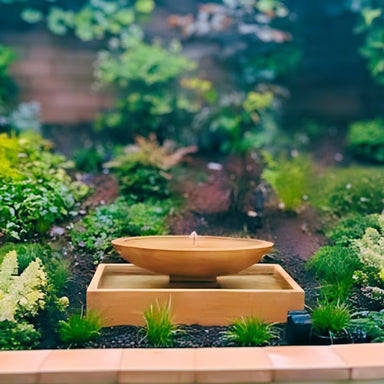
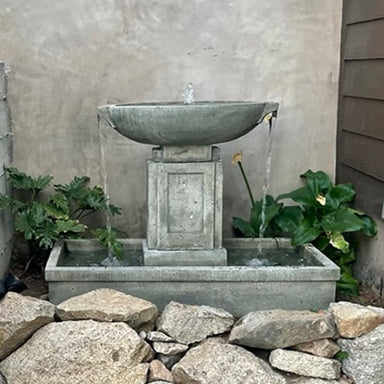
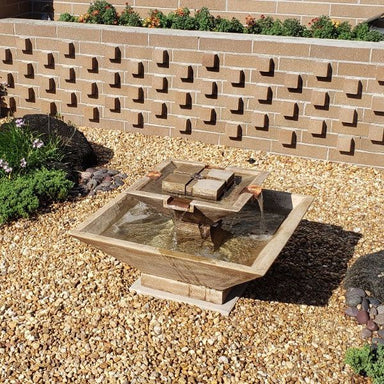
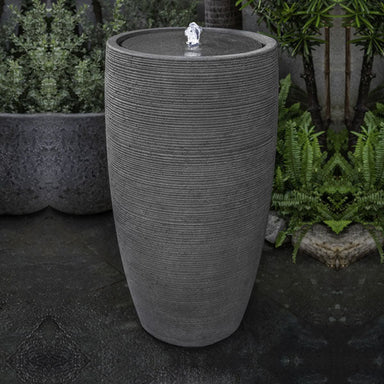
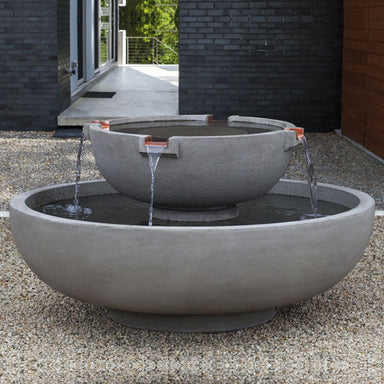
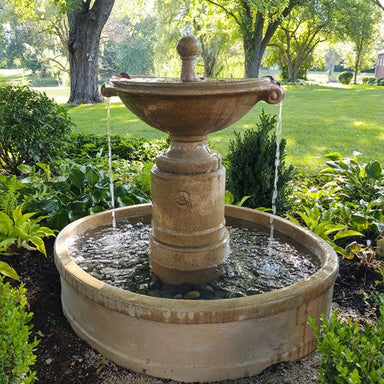
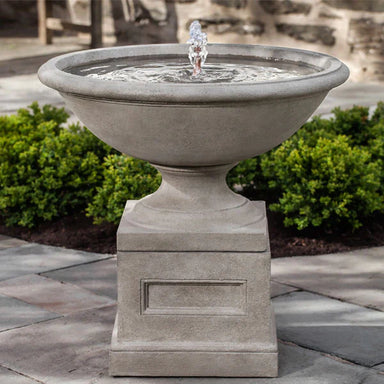
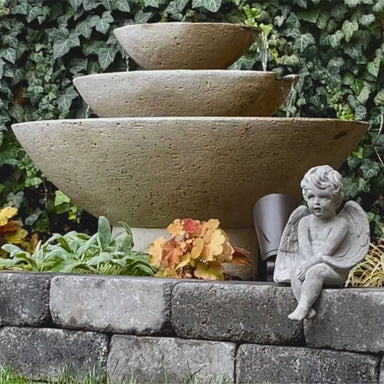
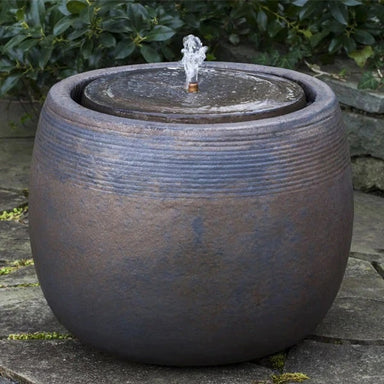
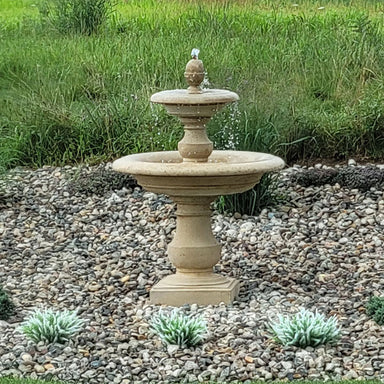
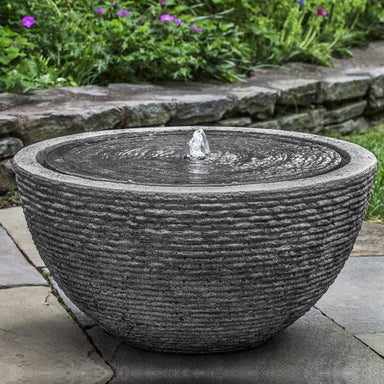
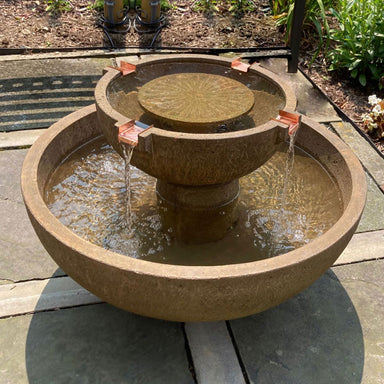
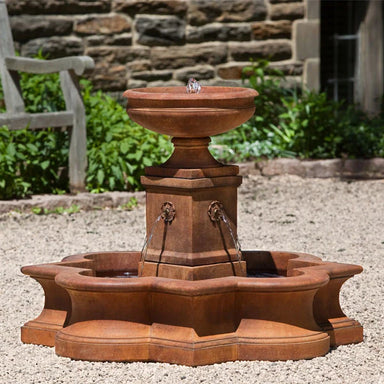
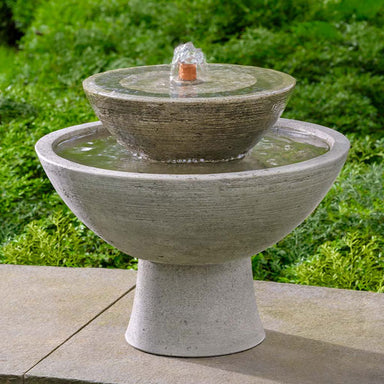
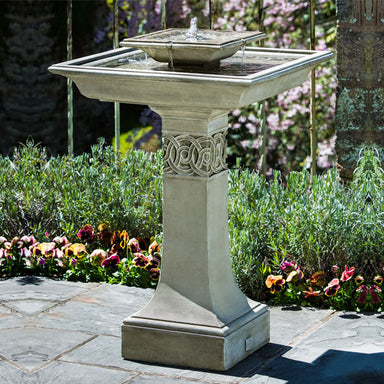
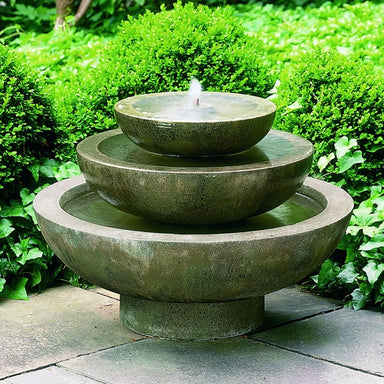
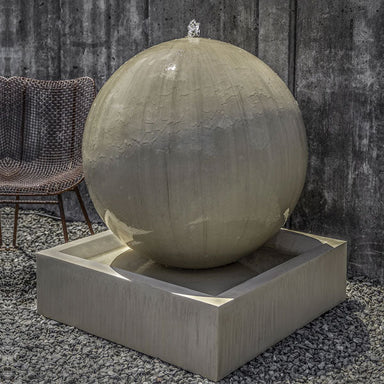
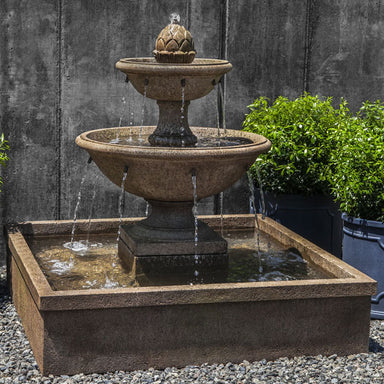
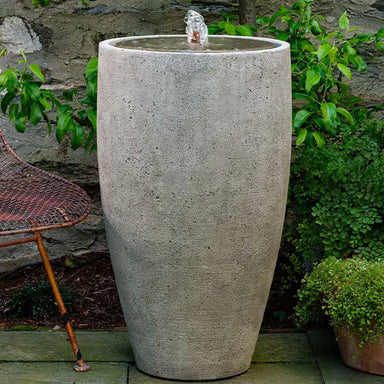
Floor fountains bring height, movement, and sculptural presence to an outdoor setting in a way that feels grounded and substantial. Their freestanding form allows them to anchor patios, courtyards, garden rooms, and entry areas with a stronger physical presence than smaller or wall-mounted water features. As you browse the floor fountains above, consider where the fountain will sit, how close it will be viewed, and whether you want it to serve as a quiet accent or a more defining focal point. The guidance below highlights the key considerations that help a floor fountain feel proportional, intentional, and lasting.
Filters

What size floor fountain should I choose?

The right floor fountain should be chosen based on viewing distance, surrounding architecture, available ground space, and how much visual presence you want the fountain to have. In more compact patios or garden corners, a narrower or moderately scaled floor fountain can add height and movement without making the space feel crowded. In larger courtyards, open landscapes, or formal entry areas, a taller or wider fountain may be needed to create the right sense of proportion.

Because floor fountains are read from the ground up, both height and footprint matter. A fountain that is too small may feel visually lost in a larger outdoor setting, while one that is too large can overpower the surrounding design. The goal is to choose a fountain that feels grounded in the space and clearly connected to the scale of the landscape.

Where do floor fountains work best?

Floor fountains work best in spaces where a freestanding water feature can create structure, height, and a clear focal point. They are especially effective in patios, courtyards, garden rooms, entryways, and open landscape areas where the fountain can be appreciated from multiple angles.

They also work well in settings where a wall fountain is not practical and a tabletop fountain would feel too limited in scale. Because they stand independently, floor fountains can help anchor an open corner, define the center of a courtyard, or add dimension to a paved area that needs a stronger visual element.

How do floor fountains change the feel of an outdoor space?

Floor fountains change the feel of an outdoor space by adding verticality, motion, and a steady water presence that makes the setting feel calmer and more complete. Their larger physical form often creates a stronger architectural impact than smaller fountain styles, helping the space feel more designed and more deliberate.

In patios and courtyards, they can soften expanses of stone, concrete, or masonry by introducing movement and sound. In gardens, they can provide a clear destination within the landscape and help connect planting, hardscape, and circulation areas into a more cohesive composition. When placed with intention, a floor fountain can shape the mood of the entire setting.

When are floor fountains a better choice than other fountain styles?

Floor fountains are often the better choice when the space calls for a freestanding feature with more height and physical presence. Compared with wall-mounted or tabletop fountains, they create a stronger focal point and can hold their own in larger outdoor layouts.

They are also a better choice when the design benefits from a fountain that can be viewed from several sides or positioned away from walls and boundaries. In spaces where the goal is to create a grounded centerpiece rather than a subtle accent, floor fountains often deliver the more balanced and visually complete result.

Are floor fountains suitable for long-term outdoor use?

Yes. Floor fountains are suitable for long-term outdoor use when proper placement, water care, and seasonal maintenance are observed. The live collection emphasizes expertly handcrafted freestanding designs made from enduring materials like concrete, which are well suited to outdoor environments and statement-scale installation.

As with any outdoor water feature, long-term performance depends on stable installation, proper drainage, and routine upkeep. In freeze-thaw climates, water should not be left to collect and expand during colder periods. When maintained correctly, a floor fountain can continue to provide movement, structure, and outdoor presence season after season.

How do I make a floor fountain feel intentional in the space?

A floor fountain feels intentional when its placement clearly relates to the surrounding layout and architecture. Positioning it at the end of a path, near a seating area, within a courtyard centerline, or beside an entry approach helps the fountain read as part of the design rather than as an isolated decorative object.

It also helps to consider what the fountain is meant to balance. A floor fountain may soften a hard architectural edge, anchor an open paved area, or provide vertical contrast within lower planting. When scale, material, and placement work together, a floor fountain can define the character of the entire outdoor space while still feeling composed and natural.